The choice between SLA vs SLM 3D printing is a strategic decision that separates high-fidelity aesthetic modeling from heavy-duty industrial engineering. While both technologies utilize laser-directed energy to achieve incredible...
Read More >3D Printing services
Design & Reverse Engineering
Additional Manufacturing
Industries we serve
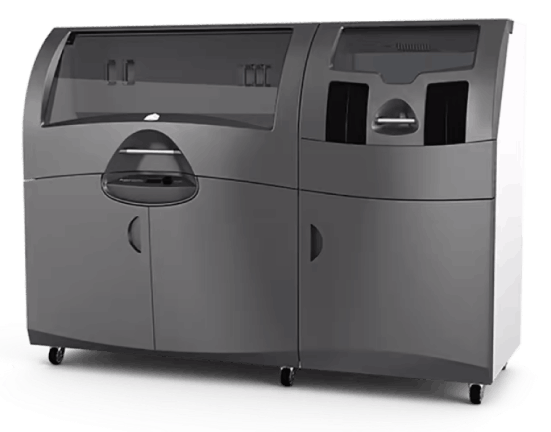
Our CJP (ColourJet Printing) 3D printing service creates vibrant, highly detailed, and full-colour parts, perfect for architectural models, product prototypes, figurines, and concept designs. Using powder-based technology, CJP produces lightweight, visually striking models with smooth gradients and intricate details, making it ideal for presentation and visualisation applications. Our CJP 3D print solutions ensure accuracy.


3D Printing Service
Explore reliable and customizable 3D printing solutions tailored to your unique project needs.


3D Printing Technologies
Learn about cutting-edge techniques that power efficient and precise 3D printing.


Materials
Discover a variety of durable and high-quality 3D printing materials for every application.


Applications & Benefits
Understand the versatile uses and advantages of modern 3D printing technology.


About 3D Printing
Get insights into the world of 3D printing and how it’s transforming industries.
Click here to try our material selection tool to help you find the best material for your project.


Fused Deposition Modelling (FDM) is one of the most common and affordable 3D printing technologies, perfect for creating strong and functional parts. It works by melting plastic filament and building objects layer by layer, making it great for prototypes, custom parts, and everyday items. FDM is known for its fast printing speeds, durability, and cost-effectiveness, making it ideal for both business and personal projects. Whether you need a replacement part, a unique design, or a prototype, FDM 3D printing offers a quick and budget-friendly solution.


Stereolithography (SLA) is a 3D printing technology that creates smooth, detailed, and high-quality parts using liquid resin hardened by a laser. It’s perfect for intricate designs, jewellery, dental models, and prototypes that need a flawless finish. SLA printing captures fine details and offers materials that can be transparent, flexible, or highly durable, making it ideal for projects requiring precision and a professional look. If you need a sleek, high-detail custom part or prototype, SLA 3D printing is the perfect choice.


Selective Laser Sintering (SLS) is an advanced 3D printing technology that creates strong and durable parts by fusing powdered material with a high-powered laser. Unlike other 3D printing methods, SLS does not require support structures, allowing for complex and highly detailed designs to be printed with ease. The process uses nylon and other industrial-grade materials, making the final parts tough, lightweight, and resistant to heat, chemicals, and wear. SLS is widely used for functional prototypes, custom mechanical parts, and industrial applications where strength and durability are essential. This technology is ideal for engineers, manufacturers, and businesses looking for high-quality, production-ready parts without the cost of traditional manufacturing. Whether you need a strong custom part, a lightweight design, or a batch of durable prototypes, SLS 3D printing delivers professional results quickly and efficiently.


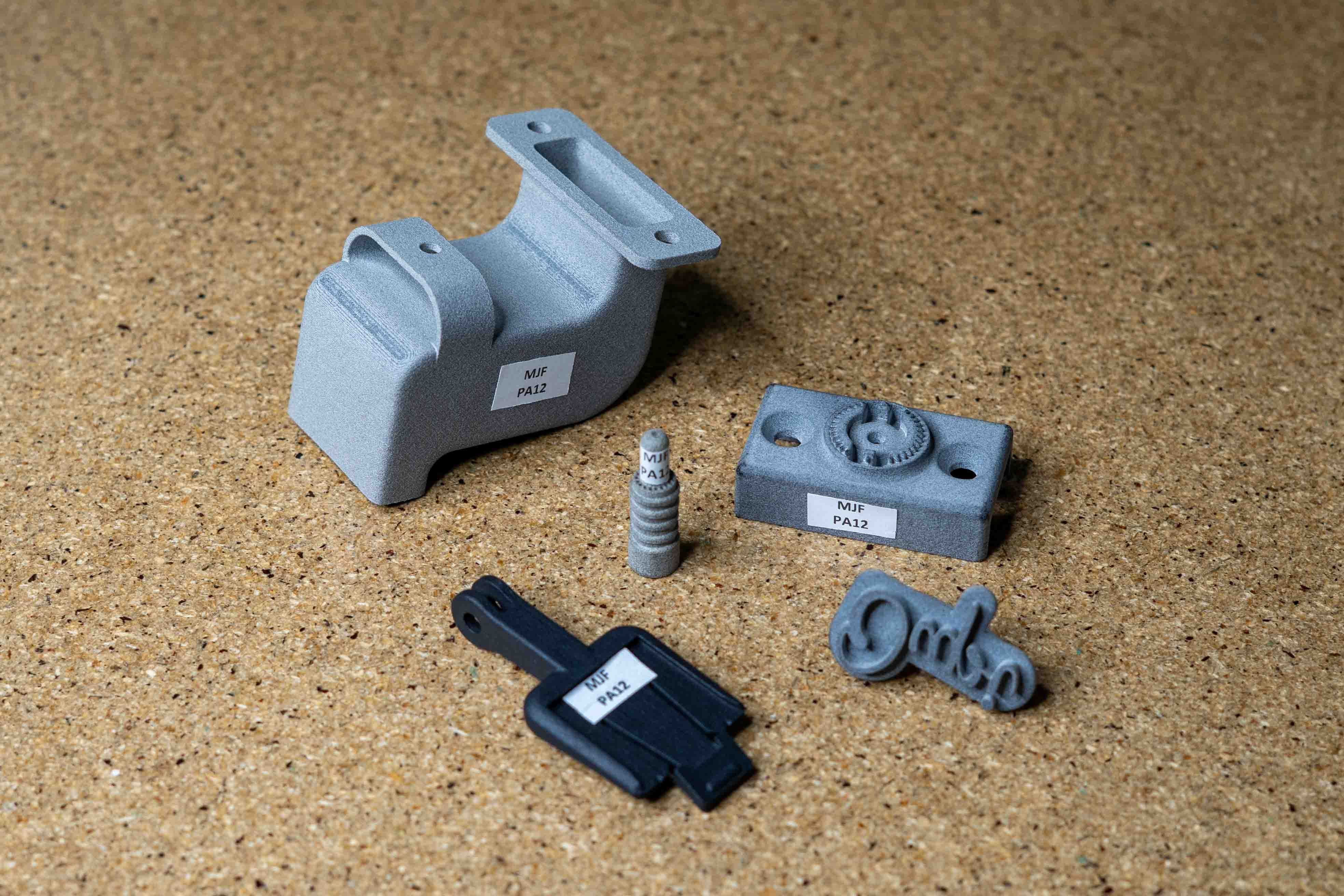
Multi Jet Fusion (MJF) is an advanced 3D printing technology that produces strong, durable, and highly detailed parts by fusing powdered material using a precision thermal process. Unlike other 3D printing methods, MJF creates exceptionally smooth, high-strength parts with consistent quality and fine details, making it ideal for functional prototypes, mechanical components, and production-ready parts. MJF stands out for its speed, accuracy, and ability to produce dense, high-performance parts with excellent surface finish and durability. It is commonly used in engineering, product development, and manufacturing where precision and strength are critical. Whether you need a robust prototype, end-use production parts, or intricate designs, MJF 3D printing delivers high-quality results efficiently and cost-effectively.


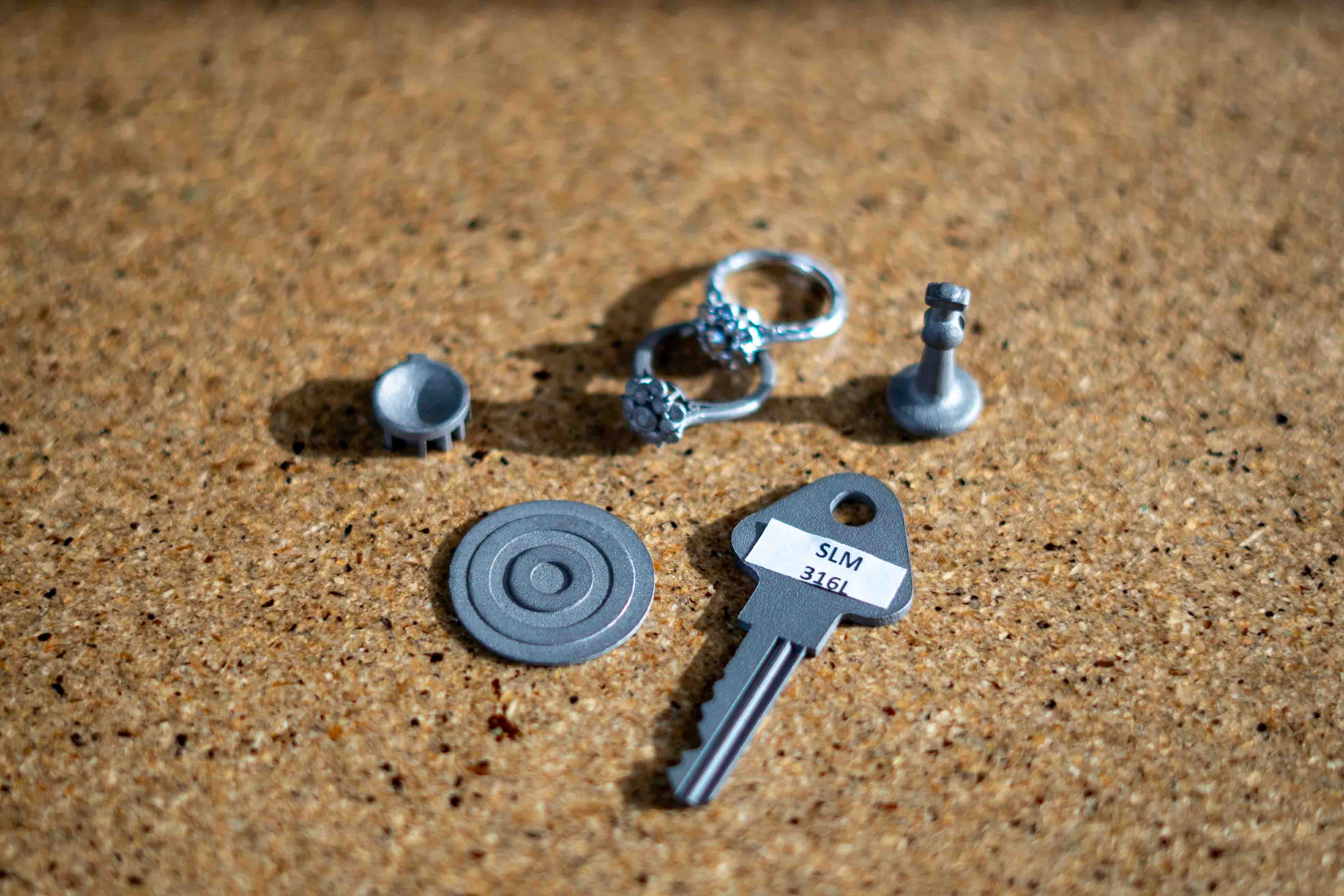
Selective Laser Melting (SLM) is an advanced metal 3D printing technology that creates strong, dense, and highly precise metal parts by fusing fine metal powder with a high-powered laser. Unlike traditional manufacturing, SLM produces complex geometries and high-performance components with exceptional strength, accuracy, and durability, making it ideal for aerospace, automotive, medical, and industrial applications. SLM excels in speed, material efficiency, and mechanical performance, delivering fully dense, production-ready parts with superior structural integrity. We offer SLM 3D printing in stainless steel, aluminium, and titanium, providing lightweight, corrosion-resistant, and high-strength solutions for engineering, product development, and manufacturing. Whether you need precision prototypes, functional components, or complex metal designs, SLM 3D printing ensures high-quality, efficient, and cost-effective results.


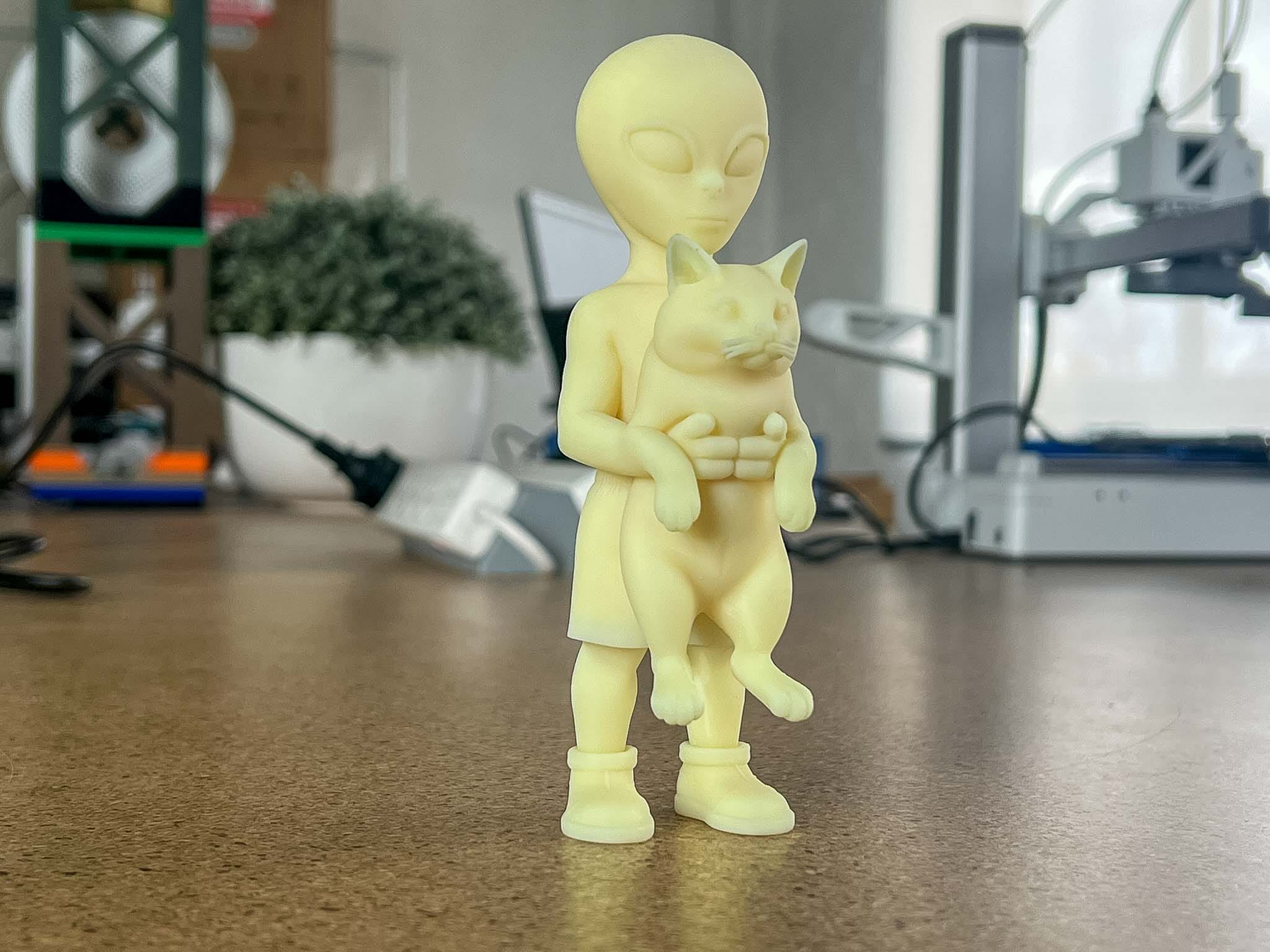
ColourJet Printing (CJP) is an advanced 3D printing technology that produces full-colour, highly detailed, and visually striking parts by binding powdered material layer by layer. Unlike other 3D printing methods, CJP creates vibrant, photo-realistic models with smooth gradients and intricate details, making it ideal for architectural models, product prototypes, figurines, and concept designs. CJP stands out for its speed, cost-effectiveness, and ability to print in full colour without additional painting. Using gypsum-based materials, it delivers lightweight yet detailed models perfect for presentation, marketing, and visualisation. Whether you need eye-catching product prototypes, detailed anatomical models, or lifelike figurines, CJP 3D printing offers a fast, precise, and cost-effective solution.


Binder Jetting is a family of additive manufacturing processes. In Binder Jetting, a binder is selectively deposited onto the powder bed, bonding these areas together to form a solid part one layer at a time. The materials commonly used in Binder Jetting are metals, sand, and ceramics that come in a granular form. Binder Jetting is used in various applications, including the fabrication of full-color prototypes (such as figurines), the production of large sand casting cores and molds and the manufacture of low-cost 3D printed metal parts.
With such diverse applications, it is essential for a designer who wants to use the capabilities of Binder Jetting to the fullest, to understand the basic mechanics of the process and how these connect to its key benefits and limitations. Our CJP 3D printing services ensure your parts meet strict manufacturing standards, while advanced technologies like SLM and FDM are also available for projects requiring ultra-fine detail and high durability.
checkout our application and benefits
The choice between SLA vs SLM 3D printing is a strategic decision that separates high-fidelity aesthetic modeling from heavy-duty industrial engineering. While both technologies utilize laser-directed energy to achieve incredible...
Read More >The comparison of FDM vs SLM 3D printing bridges the gap between desktop prototyping and aerospace manufacturing. FDM is a low-energy extrusion process, handling plastics at temperatures between 200°C and...
Read More >When evaluating FDM vs SLS 3D printing for business operations, “throughput” becomes the deciding factor. FDM is often a “one-at-a-time” process; each part must sit on the build plate, and...
Read More >From a design perspective, the CJP vs SLM 3D printing choice dictates the level of geometric freedom and labor involved after the print is complete. SLM requires rigorous “Thermal Stress...
Read More >The competition in SLA vs CJP 3D printing highlights the difference between surface-level perfection and internal color depth. Stereolithography (SLA) utilizes a UV laser to cure liquid photopolymer resin, producing...
Read More >The technical divergence in CJP vs SLS 3D printing begins with the method of particle cohesion. Selective Laser Sintering (SLS) is a high-energy process where a CO2Â laser traces the geometry...
Read More >Choosing between CJP vs FDM 3d printing requires a strategic balance between structural durability and aesthetic detail. FDM is the industry’s functional workhorse, extruding molten thermoplastics to create rugged, end-use...
Read More >The distinction between MJF vs SLM 3d printing is fundamentally a matter of energy density and material phase. MJF works within the polymer realm, utilizing infrared heat to reach the...
Read More >The choice between SLA vs MJF 3D printing is a strategic trade-off between aesthetic precision and mechanical resilience. While Stereolithography (SLA) utilizes UV lasers to achieve unmatched micron-level detail in...
Read More >

CJP stands for ColourJet Printing, and it works by spreading gypsum-based powder across a build platform and jetting a liquid binder onto it layer by layer. What makes CJP 3D print technology stand out is that colour is applied during the print itself, so there’s no painting or finishing needed afterwards. The result is a vibrant, photo-realistic model straight out of the machine.
CJP 3D printing technology is ideal when visual impact matters more than mechanical strength. It’s widely used for architectural scale models, product concept prototypes, figurines, and presentation displays. Because the colour output is rich and the detail is sharp, it works particularly well for client presentations and design reviews where people need to see and understand a concept quickly.
At KAD3D, to proceed with CJP (full-colour) 3D printing, you will need to email us your 3D file in OBJ format, along with the MTL file for texture mapping and all associated PNG image files. These files are essential to ensure accurate colour reproduction and surface detail. Once received, our team will assess your file to confirm compatibility and print quality, and then provide you with a detailed quote and lead time. This process ensures your model is produced to a high standard with precise colour accuracy and finish.
What are the limitations of CJP 3D printing technology compared to other methods like SLS or MJF?What are the limitations of CJP 3D printing technology compared to other methods like SLS or MJF?
Leverage over 30 years of expertise in 3D printing and additive manufacturing for industries like military, space, and commercial markets. Get an instant quote to kickstart your project now!